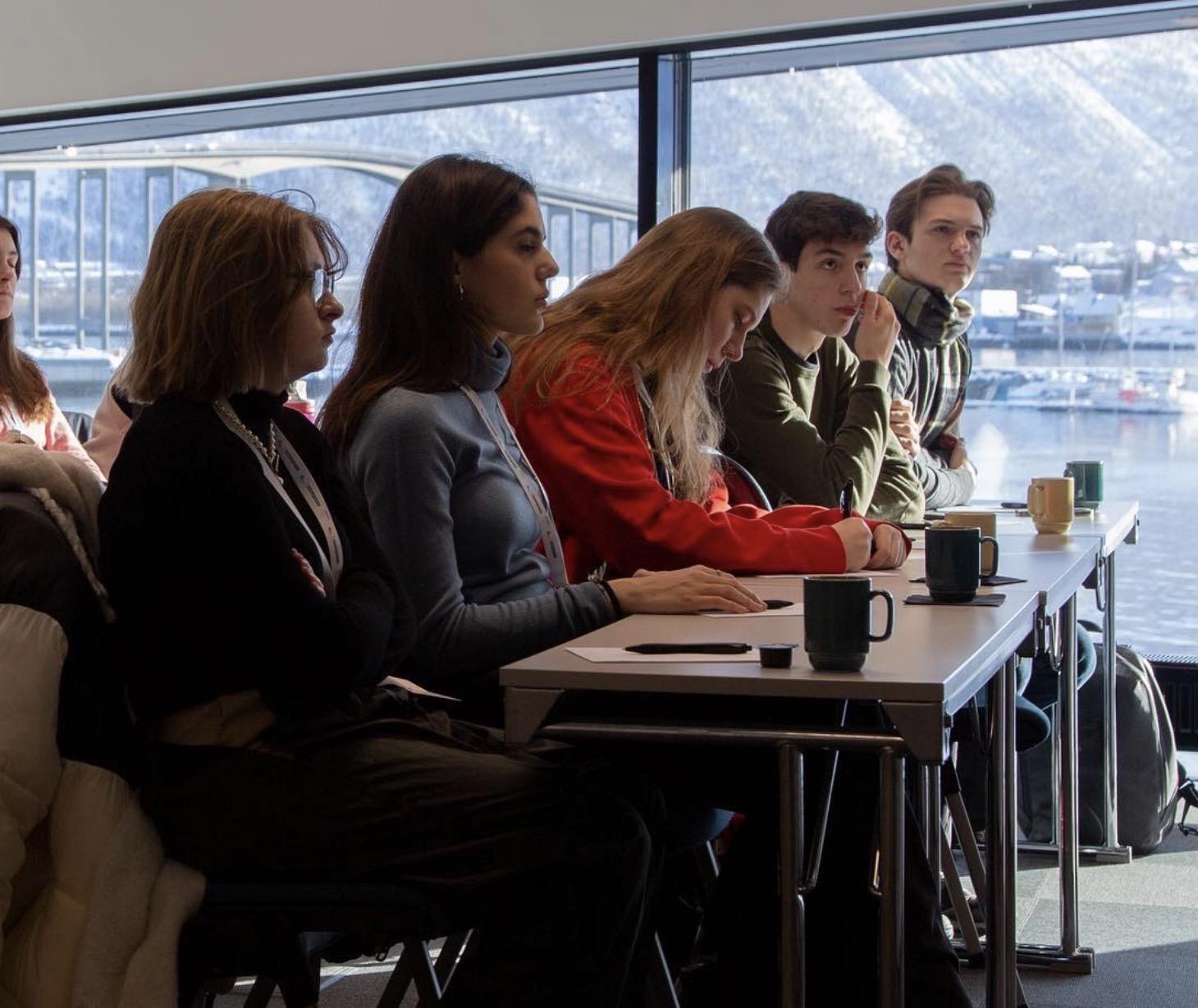
UCA recently held workshop bringing together local residents for a practical workshop on the relationship between household habits, waste, and the urban environment.
The session focused on how everyday actions at home and in public space can affect water systems, neighborhood cleanliness, and local ecological wellbeing. Participants explored simple but important questions: what happens when litter reaches street drains, how household products can affect water quality, and why waste sorting, plastic reduction, and responsible disposal matter for the wider community.
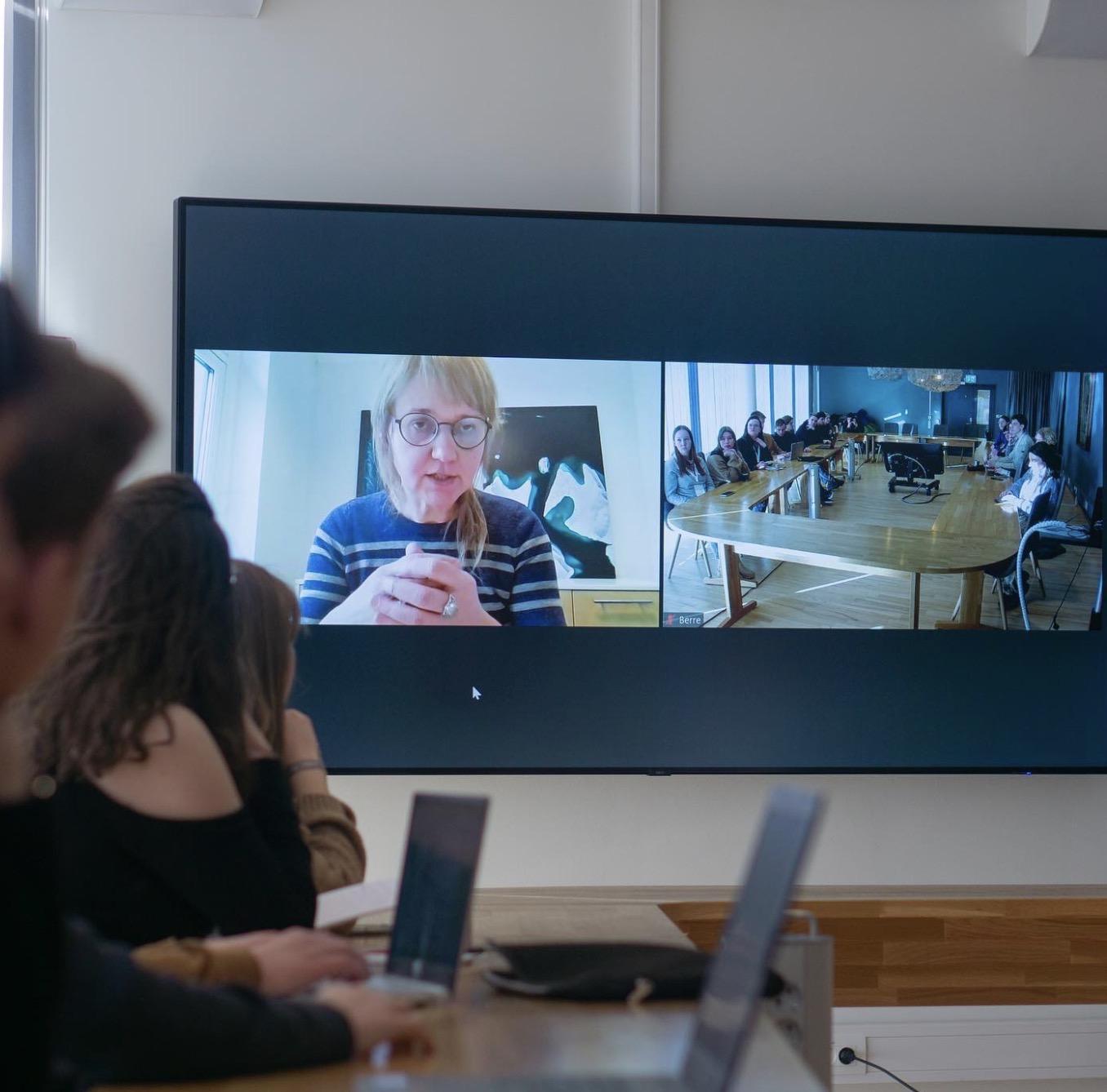
To deepen the discussion, the workshop also included a Zoom meeting with Sophie Laurent, an environmental specialist working on urban ecology and waste prevention. During the online exchange, she explained in clear and accessible terms how water flows through urban infrastructure, how pollution often enters the system through everyday behavior, and why local awareness is essential for protecting shared spaces. Her contribution helped connect environmental issues that can sometimes feel abstract to the concrete realities of daily life in towns and neighborhoods.
Following the Zoom session, participants took part in a group discussion on practical changes that can be made at household and community level. Among the ideas raised were reducing single-use plastic, avoiding the disposal of oils and chemicals in sinks, paying more attention to waste separation, and encouraging more care around public spaces and drainage areas after markets, gatherings, or busy weekends.
What made the workshop particularly valuable was its combination of expert input and local discussion. Rather than focusing only on large environmental problems, the session emphasized realistic action and shared responsibility. Residents were able to ask questions, exchange observations from daily life, and reflect on how small changes can contribute to a cleaner and more informed community.
Through this activity, UCA continued its local work in Le Blanc-Mesnil by creating space for ecological awareness, citizen dialogue, and practical learning. The workshop showed that environmental engagement can start with simple conversations grounded in local experience and everyday habits.
-
Start
7 Mar 2026
-
End
7 Mar 2026